Wellness Series, Part 2: Unlocking Vitality - Embracing Movement as a Core Pillar of Health
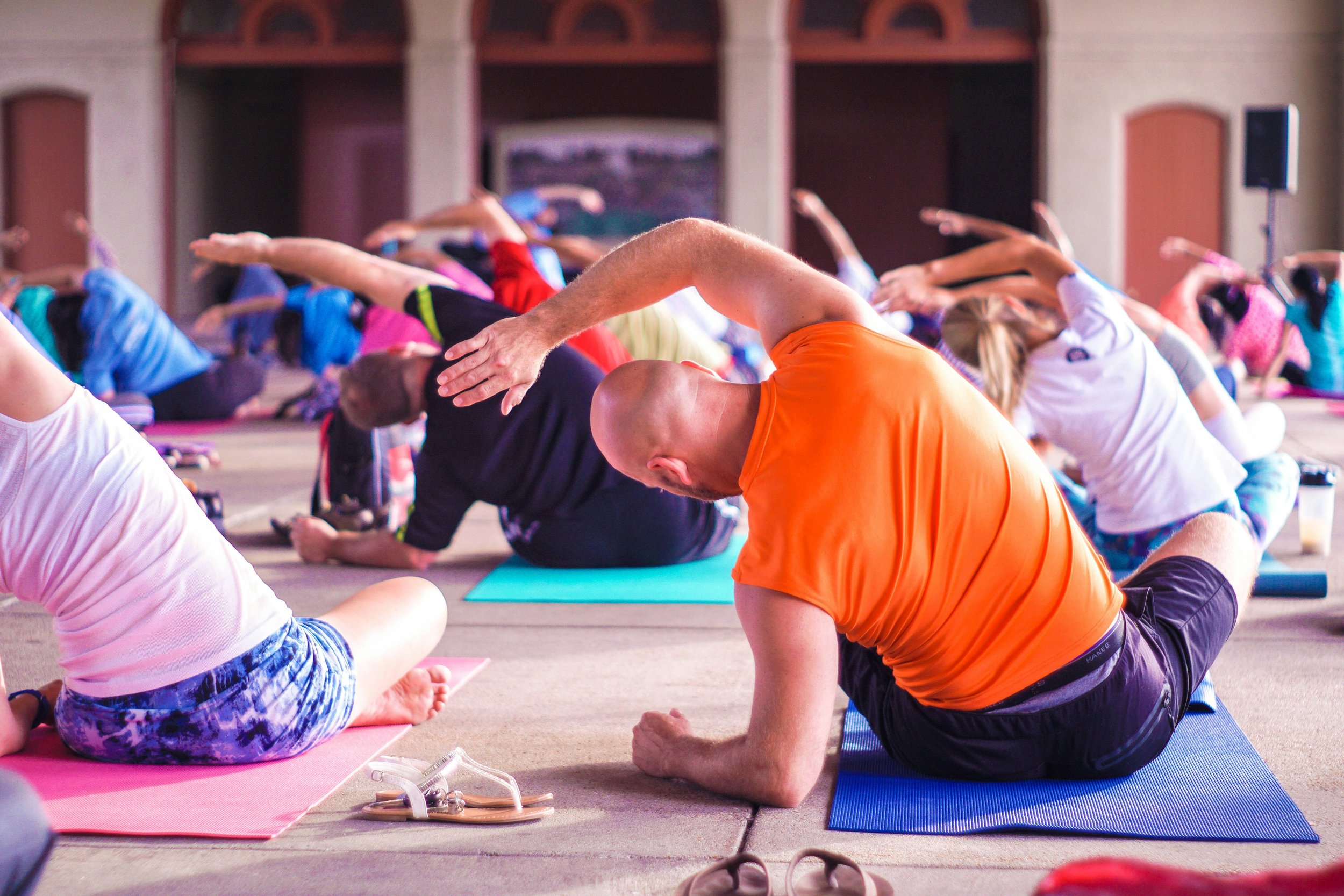
What is Movement?
Movement is using our body to engage with life, to express ourselves and connect with other people. It goes beyond exercising or working out; movement is at the core of who we are as humans. The world has changed drastically in the past 50 years since computers and tech became ubiquitous in workplaces, and we now live in our minds more than we do in our bodies, which can make us feel stressed, anxious and overwhelmed. Movement is one of the best antidotes for this.
Many of us have negative associations with the idea of movement, thinking of strenuous past workouts that we 'punished' ourselves with for enjoying that extra cookie or slice of cake. But movement can mean so many different things, and the key is to find what works best for you and what you enjoy, and make it a regular part of your life, whether that's playing a sport, going for nature walks, joining a dance class (or dancing in your living room!), swimming or cycling. And yes, cleaning and gardening also count - the more types of movement you engage in, the better!
Here are the main things that regular movement helps with:
👉🏼 relieves stress and anxiety through the release of endorphins
👉🏼 strengthens our bones and muscles
👉🏼 improves posture and flexibility
👉🏼 supports our sleep
👉🏼 increases focus and mental clarity
👉🏼 supports weight management and boosts our metabolism
👉🏼 improves our heart and lung function
General guidelines on weekly physical activity recommend:
🤸🏻 at least 150 minutes of moderate-intensity aerobic activity (e.g. brisk walking, cycling, or swimming) or 75 minutes of vigorous-intensity aerobic activity (e.g. running, aerobic dancing, football, tennis etc), spread throughout the week;
🤸🏻 at least two muscle-strengthening activities, targeting major muscle groups;
🤸🏻 activities that improve flexibility, such as yoga or stretching exercises, on at least two days a week.
How to make Movement a priority in your life
Make a list
On a relaxed morning or evening, take some time to reflect on which activities that involve movement you enjoy, ranging from things like cleaning, cooking or gardening to individual team sports, strength training and anything in between!
Transform the shortlist into a ‘Movement Menu'
Once you have a list of activities that you enjoy, create a ‘movement menu’ that you can refer back to on a weekly basis, to help you incorporate more physical activity into your week. This will allow you to mix things up as needed, depending on your schedule and general energy levels.
Add it to your calendar
Our lives are moving at a faster pace these days, so make a commitment to yourself by scheduling some time for movement every day, whether that’s a short walk, some cleaning or gardening, or a quick yoga/stretch session.
Common challenges
We’ve already established that movement is essential for our health and wellbeing. But what might stop us from making it part of our day to day life?
Pre-existing or developing health conditions can be a challenge, and this is where it is really important to speak with your doctor about what type of exercise is safe for you, and ask for additional support with increasing your activity levels in a safe and effective way.
Injury is of course a challenge when it comes to being active. If you've suffered an injury, you might be limited in terms of what you are able to do for some time. Different injuries will require different recovery times as well as different approaches. It's always important to consult a physician if you are not sure what you can and can't do, and how you can support your body in recovering.
Lifestyle is also a big challenge when it comes to making movement part of our everyday life. Many of us work long hours and potentially have to commute, and we might have other responsibilities and demands that add to the challenge. We are all different, and we need to find an approach that works for us and fits around our lifestyle. Take some time to think about the kind of movement you enjoy, and ask yourself 'how can I bring more of this into my life?'. Don't set overly ambitious goals that set you up for 'failure' and demotivate you. Start small and focus on consistency, and with time, you can start building on those new habits.
Finally, sometimes we simply don't think we are good at or enjoy movement, and that can hold us back from making it a key part of our lives. But there is some form of activity for everyone, whether it's walking, cycling, dancing, playing a sport, strength training or even gardening! Some of us prefer activities that we do independently, and some of us prefer group activities. Keep exploring and trying out different things until you find something that you like, and remember to start small and focus on consistency rather than intensity.
How do we make movement a consistent part of our daily lives?
…again, by starting small and making sure it's in the calendar 📅
Here are a few steps you can take when getting started:
👉🏼 ask yourself 'What is one type of movement I enjoy that I can start incorporating into my daily routine?'
👉🏼 then start as small as possible, focusing on consistency rather than length.
👉🏼 5 to 10 minutes should be a good starting point, and make sure it's captured in your calendar at a designated time that works for you; having a set time for it daily will make it easier to stick to it
👉🏼 keep going with it until it feels like a normal part of your routine, and only then start increasing the duration, and do so gradually.
This approach works well because it's sustainable - you're not aiming for a quick fix, but for building healthy, long-term habits.
You've got this! 💪🏼